How Colorado’s Climate Affects Your Garage Door
Key Takeaways
1. Colorado’s climate puts constant stress on garage doors through temperature changes, moisture, and sun exposure.
2. The right material, insulation, and maintenance routine can prevent most weather-related issues.
3. Front Range Raynor can help homeowners choose, maintain, and repair garage doors built for Colorado conditions.
Why Colorado’s Climate Is Tough on Garage Doors
Colorado’s climate is tough on garage doors because the weather changes fast and the conditions stack up over the year. In Denver, the National Weather Service documents some very sharp temperature swings, including a 66°F same-day change and a 76°F two-day change, and that kind of expansion-and-contraction cycle can add stress to panels, tracks, springs, and seals over time.
Snow is another factor. The National Weather Service says Colorado Springs averages 33.6 inches of seasonal snowfall, while parts of the Denver area, especially western and southwestern suburbs, average 65 to 70 inches per season. That increases the risk of ice buildup at the base of the door and extra strain on moving parts.
Colorado’s elevation also matters. EPA guidance indicates that UV radiation increases by about 2% for every 1,000 feet of elevation, so higher-elevation areas in Colorado can cause more fading and finish wear on garage door surfaces than lower-elevation locations.

How Climate Impacts Garage Doors
Colorado weather can wear down a garage door in more than one way. Snow, ice, strong sun, dry air, wind, and sharp temperature swings all put pressure on the door’s surface, seals, and moving parts.
Some damage shows up quickly, like a frozen bottom seal in winter, while other issues build slowly, like faded color, dry weatherstripping, or rougher movement over time.
Fading Paint and Finishes
Strong Colorado sun can wear down a garage door’s appearance faster than many homeowners expect. Constant UV exposure gradually fades paint, dulls the finish, and can make the door look older sooner than expected.
This tends to show up most on doors that face direct afternoon sun, but heat, wind, and dry air can all add to that surface wear over time.
Dry Seals and More Strain on the Door
Weather not only affects the visible finish. Sun, dry air, freezing temperatures, and moisture can all wear down the rubber and vinyl seals around the door, especially along the bottom and sides.
Once those seals harden, crack, or shrink, it becomes easier for drafts, dust, water, and even ice to create problems. That can make the door feel heavier, less smooth, and harder on the opener.
Effect on Darker Colors and Certain Materials
Darker garage doors usually absorb more heat, so they can show climate-related wear faster. That extra heat can put more stress on paint, coatings, and some door materials, while cold weather and dry conditions can make certain finishes more prone to cracking or losing flexibility.
Wood doors and lower-grade finishes may age faster, while darker steel or composite doors can make fading and surface wear more noticeable.
Colorado Climate Factor vs. Garage Door Impact
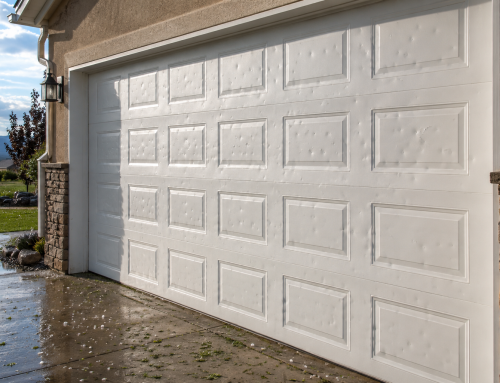
Colorado puts garage doors through a lot over the course of a year. It is not only one kind of weather that causes wear. It is the combination of temperature shifts, snow, strong sun, dry air, and blowing dust that makes garage doors work harder and wear out faster.
Looking at each climate factor side by side makes it easier to see what parts are most affected and what kinds of problems homeowners should watch for.
| Climate condition | What it does | Parts most affected | Common result |
|---|---|---|---|
| Temperature swings | Repeated heating and cooling cause materials to expand and contract | Springs, tracks, rollers, panels, fasteners | Noisier movement, misalignment, and added strain on moving parts |
| Snow and ice | Moisture freezes around the base of the door and can add resistance during opening | Bottom seal, weatherstripping, lower panels, springs, opener | Door sticking to the ground, cracked seals, extra stress on the opener and hardware |
| UV exposure | Constant sun breaks down, finishes and dries out exterior materials over time | Paint, surface finish, weather seals, outer panel material | Fading, dull appearance, brittle seals, faster surface wear |
| Dry air | Low humidity can dry out rubber, vinyl, wood, and other exposed materials | Bottom seal, side seals, trim, wood components | Shrinking, cracking, reduced sealing performance |
| Wind and dust | Wind pressure and airborne debris increase friction and wear | Tracks, rollers, hinges, panel edges, hardware | Dirt buildup, rough movement, premature wear, possible panel stress |
Signs Colorado Weather Is Affecting Your Garage Door
Colorado weather does not always cause one big, obvious garage door problem. More often, it shows up through smaller changes that are easy to brush off at first. Here are some of the most common signs that Colorado weather may be affecting your garage door.
Door Feels Heavier Than Usual
If the door suddenly feels harder to lift or seems to place more strain on the opener, that may indicate weather-related wear on springs, rollers, or other moving parts. Cold temperatures, moisture, and regular expansion and contraction can all affect how smoothly the system works.
Slower or Noisier Movement
A garage door that moves more slowly than normal or starts making grinding, squeaking, or rattling sounds is often reacting to seasonal stress. In Colorado, cold weather can stiffen lubricants, while dust and dry conditions can increase friction in the tracks and rollers.
Gaps Around the Door
Small gaps along the sides or bottom of the door can mean the seals are wearing out or the door is no longer sitting quite right. That matters because gaps make it easier for cold air, dust, moisture, and pests to get into the garage.
Cracked or Brittle Seals
Weather seals often take a beating in Colorado. Strong sun, dry air, and freezing temperatures can cause them to harden, shrink, or crack over time. Once that happens, the door loses some of its protection against the elements.
Rust, Fading, or Visible Wear
Surface changes are another sign to watch for. Rust can show up on hardware or lower sections of the door where moisture collects, while strong sun can fade paint and wear down the finish. These issues may start as cosmetic, but over time, they can affect durability too.
Uneven Opening or Closing
If the door starts looking crooked as it moves, or one side seems to lag behind the other, something may be wearing unevenly. Weather-related stress on springs, tracks, and hardware can gradually throw the system off balance.

How to Protect Your Garage Door from Extreme Weather
What Homeowners Can Do to Protect Their Garage Door
Much of the wear from temperature swings, snow, sun, and dust can be managed with simple maintenance and early attention. Here are a few practical ways homeowners can help protect their garage door year-round.
Lubricate Moving Parts Seasonally
Applying the right garage door lubricant to rollers, hinges, and springs helps reduce friction and keeps the system moving more smoothly. This is especially helpful before colder weather sets in, when parts are more likely to stiffen up.
Check Seals and Weatherstripping
Take a quick look at the bottom seal and side weatherstripping every so often. If they look cracked, flattened, or brittle, replacing them early can help keep out drafts, moisture, and debris.
Keep Tracks Clean
Dust, dirt, and small debris can build up faster than people realize, especially in windy and dry conditions. Keeping the tracks clear helps the door move more smoothly and reduces unnecessary strain on the system.
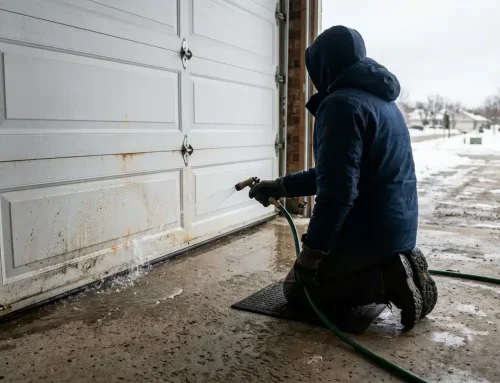
Avoid Forcing a Frozen Door
If the bottom of the door freezes to the ground, do not force it open. That can put extra pressure on the opener, damage the seal, or create problems with the springs and panels. It is better to loosen the ice first and open the door carefully.
Schedule Regular Inspections
A periodic professional inspection can help catch wear that is easy to miss during day-to-day use. This is especially useful in Colorado, where the door deals with several types of weather stress throughout the year.
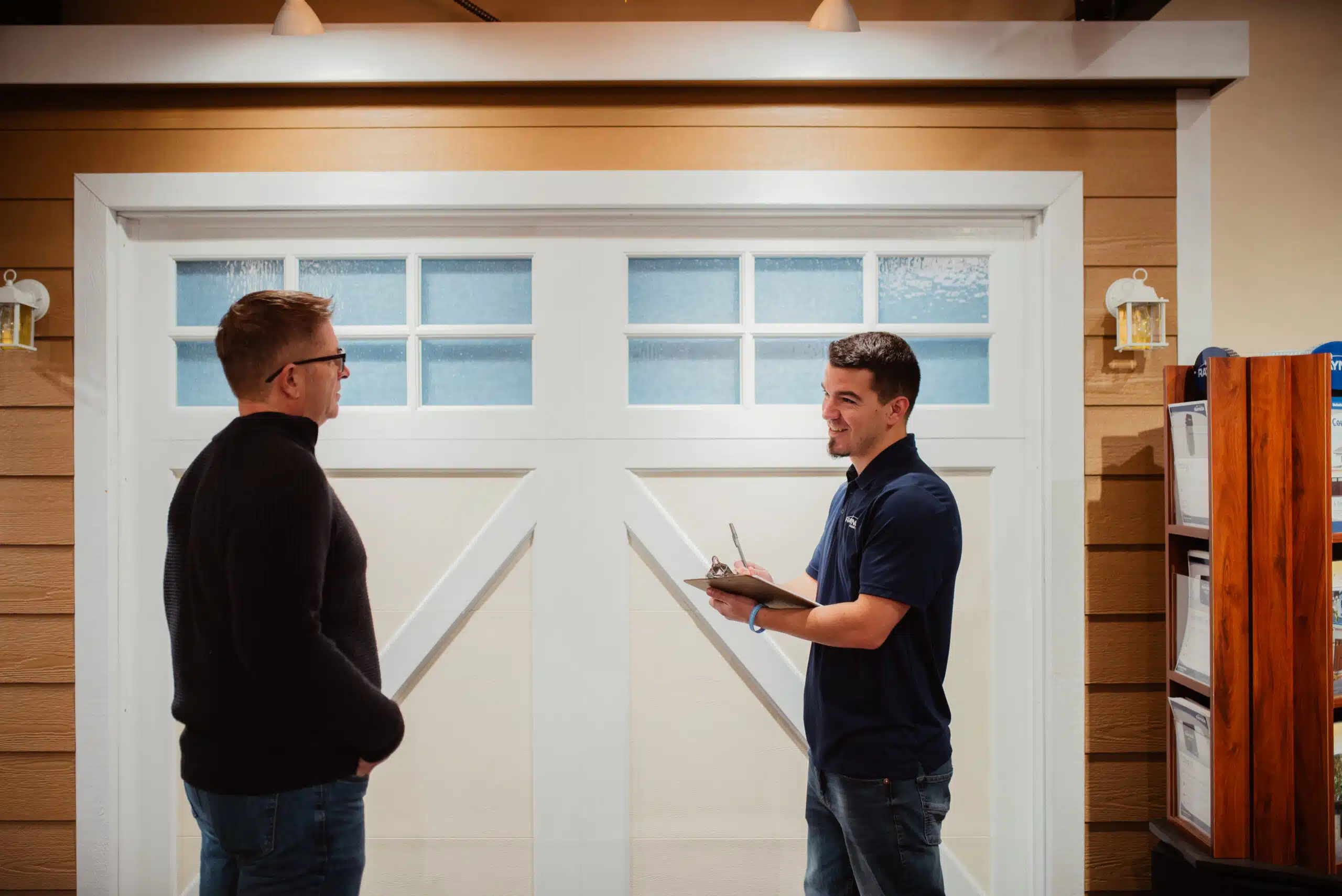
Pay Attention to Small Changes Before They Turn Into Repairs
One of the best things a homeowner can do is simply notice when something feels off. A new sound, slower movement, or a slight gap may not seem urgent, but those small signs are often the first warning that the door needs attention.
Protect Your Garage Door From Colorado Weather With Front Range Raynor
Colorado weather can be hard on a garage door, but most problems do not start all at once. They usually build slowly through worn seals, louder movement, surface wear, or parts that no longer work as smoothly as they should. Once you know what Colorado’s climate can do, the next step is staying ahead of those smaller issues before they turn into bigger repairs.
Here’s what to do next:
- Take a closer look at how your door is handling the weather. Watch for signs like gaps, brittle seals, slower movement, fading, or extra strain during cold mornings and hot afternoons.
- Stay consistent with simple seasonal maintenance. Keep moving parts lubricated, clear out dust and debris, and check seals and weatherstripping so your door can handle Colorado conditions better.
- Call Front Range Raynor if your door is starting to show signs of weather-related wear. Our experienced team can inspect the problem, handle repairs, and help you keep your garage door working reliably through Colorado’s changing seasons.
Reach out to Front Range Raynor for same-day weekday repair support and expert help before the issue gets worse.