How to Protect Your Garage Door from Extreme Weather
Key Takeaways
1. Weatherproofing a garage door combines weather-rated parts, tight seals, insulation, seasonal maintenance, and yearly professional inspections.
2. A garage door that fails in high winds lets pressure build inside the garage, which can damage your roof and walls.
3. Front Range Raynor offers garage door repair, tune-ups, and insulated door installation to keep Northern Colorado homes ready for extreme weather.
Best Way to Protect Your Garage Door from Extreme Weather
The best way to protect your garage door is to stop weather damage before it starts. Pick a door with a wind load rating, which is a label that shows how much wind pressure the door can take pushing in and pulling out before it buckles.
Then replace cracked weatherstripping, add insulation, lubricate and tighten parts every spring and fall, brace the door if your home faces high winds, and have a pro inspect it once a year.
These steps help your door handle Northern Colorado’s wind, heat, and snow, last longer, and keep your home more energy efficient.
How does extreme weather affect garage doors in Northern Colorado?
Before protecting your garage door, it’s important to understand how extreme weather affects doors in our region.
High Winds and Storm Damage
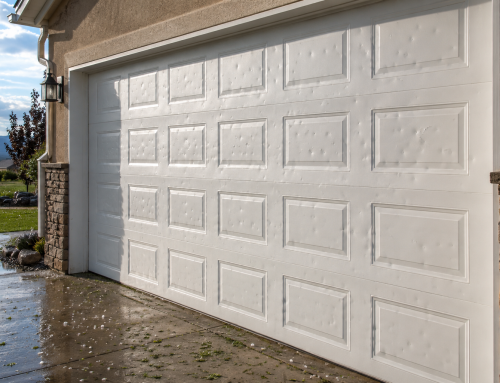
When severe storms hit Northern Colorado, your garage door becomes vulnerable. The majority of structural failures during high-wind events start with garage door collapse. Once a garage door fails, wind entering the garage can create internal pressure that may damage your home’s roof and walls.
Garage doors should withstand pressures from ±20 psf for 100 mph winds up to ±55 psf for 200 mph winds. Standard garage doors can buckle under these pressures without proper reinforcement, causing costly damage.
Temperature Fluctuations
Fort Collins experiences big temperature swings throughout the year. These changes cause garage door materials to expand and contract, which can lead to:
- Metal parts warping or becoming brittle
- Lubrication is drying out faster
- Springs are losing tension early
- Seals are cracking and deteriorating
Snow and Ice Buildup
Winter in Northern Colorado brings heavy snow and ice that can:
- Add weight to garage doors
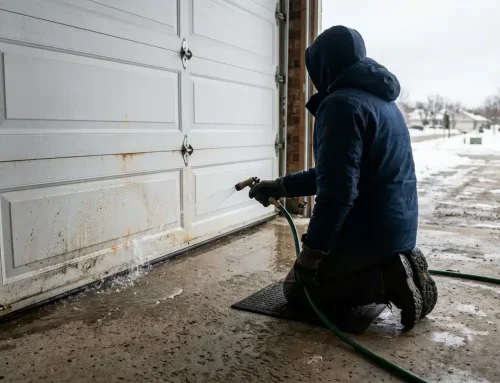
- Freeze door parts, preventing proper operation
- Causes moisture damage leading to rust and corrosion
- Form ice dams that stop doors from closing properly
What are the best ways to protect my garage door from weather damage?
1. Choose Weather-Rated Doors and Components
Guarantee labels are required when showing positive and negative pressure ratings. When picking a new garage door, look for:
- Doors tested under standards
- Wind load ratings suitable for our region
- Impact-resistant glazing if your door has windows
- Corrosion-resistant hardware made for extreme conditions
2. Apply Proper Weatherstripping and Seals
Good weatherstripping is your first defense against the elements:
- Bottom seals should fully contact the ground
- Side and top weatherstripping should seal tightly when closed
- Replace weatherstripping every 3-5 years or sooner if cracked
- Use non-combustible materials that resist wear
3. Insulate Your Garage Door
Insulation offers benefits beyond temperature control:
- Cuts heat transfer by up to 97% compared to uninsulated doors
- Adds structural strength to door panels
- Reduces expansion and contraction from temperature swings
- Boosts energy efficiency throughout your home
4. Implement Seasonal Maintenance Protocols
Regular maintenance extends your garage door’s life in extreme weather:
Spring Maintenance:
- Clean and lubricate moving parts with silicone-based lubricants
- Check weatherstripping for winter damage
- Inspect door panels for warping or water damage
- Test automatic reversal mechanisms and safety features
Fall Maintenance:
- Tighten hardware that may have loosened
- Apply fresh lubricant before cold weather
- Check weather seals for summer wear
- Inspect springs and cables for wear
Garage door fixers near you recommend applying silicone-based lubricants to rollers and hinges twice a year to prevent corrosion and keep the operation smooth during temperature changes.
5. Reinforce Doors in High-Wind Areas
For homes in exposed locations around Fort Collins, consider these reinforcements:
- Retrofit kits that boost vertical and horizontal stiffness by 25-40%
- Bracing systems are attached to the door and track
- Hurricane bars for extra support during storms
- Upgraded track systems with heavier gauge steel
For the best protection, consider replacing your door with a wind-rated system.
6. Install Proper Drainage Systems
Water damage is common for garage doors here. To prevent it:
- Make sure the driveway slopes away from the garage
- Install drainage channels across garage entrances
- Use a threshold seal to block water intrusion
- Keep gutters and downspouts clear and directed away from the garage
7. Schedule Professional Inspections
Even with good homeowner maintenance, professional inspections are essential:
- Annual inspections can spot track misalignment as small as 1/8″
- Experts detect spring tension problems before failure
- Professionals identify early signs of weather damage
- Certified technicians ensure safety features meet current standards
Front Range Raynor, our technicians receive thorough training to handle all garage door maintenance and repair, keeping your system weather-ready year-round.
When should I contact garage door professionals for weather-related issues?
Some maintenance you can do yourself, but call a pro if you notice:
- Damage after severe weather
- Unusual noises or operations
- Difficulty opening or closing the door
- Automatic reversal systems are not working
- Need for weather-resistant upgrades
- Visible damage to panels, tracks, or hardware
Professional garage door technicians have the right tools, parts, and expertise to fix weather-related problems safely and effectively.
Is it cheaper to prevent garage door damage or repair after weather events?
Preventive measures cost much less than emergency repairs. Consider:
- Garage door repair after storm damage costs can vary greatly.
- Full door replacement after failure can exceed $3,000
- Weather-resistant upgrades can cost 20-30% less than emergency repairs
- Insurance claims for weather damage may be denied if the doors don’t meet code
Weatherproof Your Garage Door With Front Range Raynor Before the Next Storm
The best weather protection happens before the storm, when tight seals, insulated panels, and fresh lubrication keep a door from warping, freezing shut, or buckling in the wind. Fixing a cracked seal or loose bracket now costs far less than replacing a door after it fails.
Our technicians start with a tune-up that handles worn seals, stiff rollers, and spring tension, then recommend bracing or an insulated, wind-rated door only if your current one can’t hold up. When a new door is the answer, our flat quote covers removal, installation, and tax.
What You Should Do Next
- Check the seals. Close the door and look for daylight or cracks along the bottom seal and side weatherstripping.
- Prep before the first freeze. Coat the rollers and hinges with a silicone-based lubricant this week, then listen for grinding or hesitation on the next cold morning.
- Book a tune-up. Contact Front Range Raynor if you notice dented panels, a bent track, or an auto-reverse that no longer works, and we’ll get your door ready for winter.
FAQs