If You Have Pets, Your Garage Door Needs These Safety Features
Key Takeaways
1. A safer setup for pet owners uses layered garage door safety: photo eye sensors, dependable auto reverse, and an accessible manual release handle for a power outage or unexpected failure.
2. Pet safety improves quickly with small home habits that support safe operation, including a clear safe space (“no-go zone”), secure remote controls, and keeping safety sensors clear.
3. Front Range Raynor Garage Door & Service can confirm that your garage door system is working properly and recommend pet-friendly garage door upgrades to help address your furry family members’ safety concerns.
The Must-Have Features of Safe Garage Doors for Pets
When people ask about the features of safe garage doors for pets, they are usually trying to prevent one scenario: a curious pet crossing under a closing garage door at the wrong time. A safer garage door system relies on layered safety features that detect obstructions, help the door reverse automatically, and give you a reliable way to operate the door manually if something goes wrong.
These modern safety standards exist for a reason: garage doors are heavy, and failures can lead to serious injuries.

Photo-Eye Sensors
Photo-eye sensors are mounted near the bottom of the door track on each side. They create an invisible beam across the opening, and if a pet breaks that beam while the door is closing, the opener is designed to stop and reverse.
These sensors are simple in concept, but they only work when both sides are aligned and unobstructed. Alignment matters because the beam is precise.
A bumped bracket, a loose mounting screw, or a slightly twisted sensor can make the system behave unpredictably, such as refusing to close or failing to detect correctly. Dust, spiderwebs, road grit, and even a storage bin placed near the track can also interfere.
A practical best practice is a quick, consistent check. Wipe the lenses with a soft cloth, confirm both sensors appear secure, and keep the beam line clear of clutter. If the door starts acting inconsistently, treat it as a safety signal and get the sensors inspected and realigned.
Auto-Reverse and Entrapment Protection
Auto-reverse is the behavior you see. Entrapment protection is the safety concept behind it: the opener is built to sense when the door meets resistance and to respond by stopping and reversing, rather than continuing to push. In plain terms, it is the system’s way of giving up when something is in the way.
Standards and regulations in the U.S. have shaped how modern openers are expected to perform. Federal safety rules cover automatic residential garage door operators, and they tie into entrapment protection requirements that emphasize reversing behavior and additional safeguards.
For pet owners, auto-reverse is essential, but it is strongest when paired with properly working photo-eyes and a well-maintained door.
Manual Release
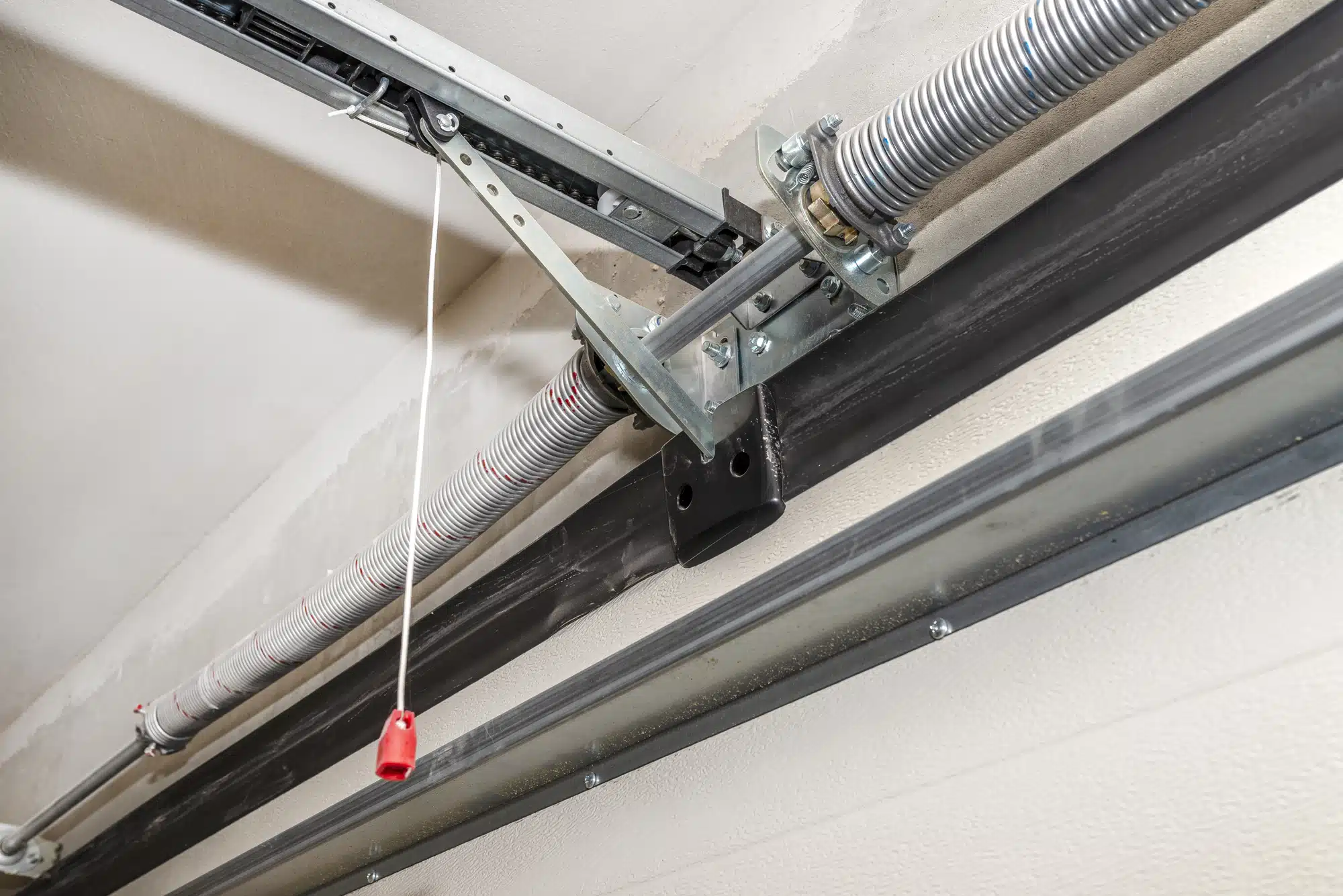
Manual release is the red cord or handle that disconnects the door from the opener trolley, allowing the door to be operated by hand. It matters during power outages, opener failures, or a jammed door when you need to open the garage quickly, especially if a pet is inside and you need access right away.
Responsible use means controlling the door before you pull the release. Keep people and pets clear, and avoid experimenting with springs or force settings as a DIY project. Industry safety guidance consistently frames garage door service work as a job for trained technicians because stored spring tension can be hazardous.
Pinch-Resistant Door Sections
Sectional garage doors bend at the joints as they roll up and down. Pinch-resistant designs reshape those joints so the gap that forms during movement is less likely to catch a finger or paw. It does not replace sensor safety, but it reduces the risk posed by everyday curiosity at the exact places pets tend to investigate.
This feature is particularly relevant if you have smaller pets that hover near the bottom panels. A door that reduces pinch points is simply more forgiving when a pet is too close to the moving sections.
Bottom Seal and Weather Protection
A stable bottom seal helps the door close more evenly against the floor. That reduces gaps that invite sniffing and pawing, and it can make the closing cycle smoother because the seal is performing predictable contact work rather than snagging or dragging.
Weather protection can also improve comfort by reducing drafts and moderating temperature swings inside the garage, especially when paired with an insulated door. The goal is practical livability, not health claims: a less drafty garage is typically easier to keep stable and easier to monitor for pet safety routines.
Quiet Rollers and Smoother Operation
Quiet rollers, often nylon, and a tuned door system reduce rattling and harsh vibration. For anxious pets, that matters because loud, sudden noises can trigger bolting behavior, and bolting is exactly what increases the risk of a door closing on them.
Noise also offers an early maintenance clue. A door that starts squealing, grinding, or banging often needs attention, such as roller replacement, track adjustment, or balance correction. Treat new noise as a prompt to schedule service, because smoother motion supports every safety feature working as intended.
This is where regular maintenance matters. A door that runs smoothly helps the opener behave consistently, and it reduces strain on the system. Simple upkeep, including a technician visit for a yearly inspection, can catch wear before it becomes a bigger problem.
Between visits, homeowners can do regular checks and, where appropriate, lubricate moving parts recommended for lubrication.
Garage Door Safety Features for Pets Checklist
| Feature | Prevents | Quick check | Call a Front Range Rayno if… |
|---|---|---|---|
| Photo-eye sensors | Closing on a pet in the opening | Wipe lenses; block beam to confirm reverse | The door won’t close, or the sensors misalign |
| Auto-reverse | Closing despite resistance | Confirm it stops/reverses as expected | It doesn’t feel forceful or reverse. |
| Manual release | Being stuck during failures/outages | Confirm it’s accessible, and you know where it is | The door feels heavy or the release binds |
| Pinch-resistant sections | Paw/finger pinches at joints | Check section joints for a safer profile | You’re upgrading/replacing panels/door |
| Quiet rollers | Startle-triggered bolting near the door | Listen for squeaks/grinding | Persistent noise or rough travel |
| Bottom seal | Gaps that invite paws; uneven close | Look for daylight/tears | The seal is torn, or the door closes unevenly |
| Timer-to-close (conditional) | Door left open too long | Only use if sensors are reliable | Pets roam freely near the threshold |
| Battery backup | No operation during outages | Verify backup status/indicator | Backup fails, or the battery is aging |
Good / Better / Best Setup
| Tier | Best for | Included pet-safety features | Trade-off |
|---|---|---|---|
| Good | Most homes | Verified sensors + tune-up + safe habits | Fewer upgrades |
| Better | Busy garages | Pinch-resistant + quiet hardware + battery backup | Higher cost |
| Best | Maximum oversight | Smart alerts + pro tune-ups + premium door build | Highest cost |
Small Changes That Make the Door System Safer for Pets
Garage door safety is not only about hardware. The space around the opening shapes your pet’s behavior, and behavior often decides whether the system ever needs to “save the day.” These steps help create a safer routine for your family in the house, including pets.
Create a “No-Go Zone” Near the Door Line
Pets learn patterns quickly. If the threshold is where outside air and activity happen, pets naturally hover there. Create a clear boundary a few feet back using a mat, tape line, or gate so your pet learns where to wait while the door cycles.
Store Remotes and Wall Controls Safely
Accidental activation happens when remotes are left on low surfaces or tossed in common areas. Store remote controls like keys, and mount the wall button out of easy reach. This makes the door movement intentional, a key factor in preventing accidents.
Keep the Sensor Path Clear
The sensor beam sits right where clutter collects. Keep bikes, trash bins, recycling carts, and storage totes away from the track corners to keep the beam clear. This also helps avoid false reversals and keeps the system predictable.
Keep Your Pets Safer With Front Range Raynor Garage Door & Service
A pet-safe setup works best when your door’s protection features and your home habits reinforce each other. Clean, aligned sensors, reliable auto reverse, an accessible manual release, and pet-friendlier hardware reduce risk during daily use.
If you are selecting the right features for a new installation, or if you suspect older models are missing key protections, a professional inspection helps you make a confident decision.
Next 3 steps to take
- Do a 5-minute safety reset today. Clear the opening area, wipe the photo-eye lenses, and remove anything that could block the sensor beam.
- Set a consistent routine. Mark a waiting spot a few feet back from the door with a mat or tape line, and store remotes like keys so the door only moves intentionally.
- Book a pet-safety tune-up with Front Range Raynor. Have a factory-trained technician verify your garage door’s sensor alignment auto-reverse behavior, door balance, and worn rollers or seals, then recommend upgrades if needed.
Ready to make your garage door safer for your pets? Request a quote or schedule service with Front Range Raynor Garage Door & Service today.