Key Takeaways
1. You can keep your garage warm by upgrading to an insulated door or adding insulation to the door you already have.
2. Other garage insulation upgrades include adding weatherstripping, insulating walls and ceilings, sealing air gaps around windows and doors, and adding insulated floor mats.
3. Front Range Raynor offers expert garage door installation. We can also check the balance and insulation of your door to ensure it keeps the cold out.
Best Winter Garage Door Insulation Upgrades Before Winter
When temperatures drop, your garage door becomes one of the biggest channels for heat to slip out. Even a well-insulated home can feel icy if an attached garage door isn’t built to handle winter.
Here are five insulation improvements to prepare your garage for winter, starting with the most effective one.
1. Upgrade the Garage Door Insulation
Improving your door’s insulation is the biggest step you can take towards protecting your garage in extreme weather. This can involve either repairing your garage door or replacing it entirely.
Here’s what each option involves:
- Installing an insulated garage door. This is the most effective upgrade, especially if you have a hollow, single-layer steel door. Modern insulated doors use layers of steel filled with polystyrene or polyurethane foam. They keep more heat inside your garage, last longer, and do a better job of maintaining a steady temperature. While it’s a high upfront cost, it makes more financial sense in the long run. That’s because it’s going to reduce your heating costs.
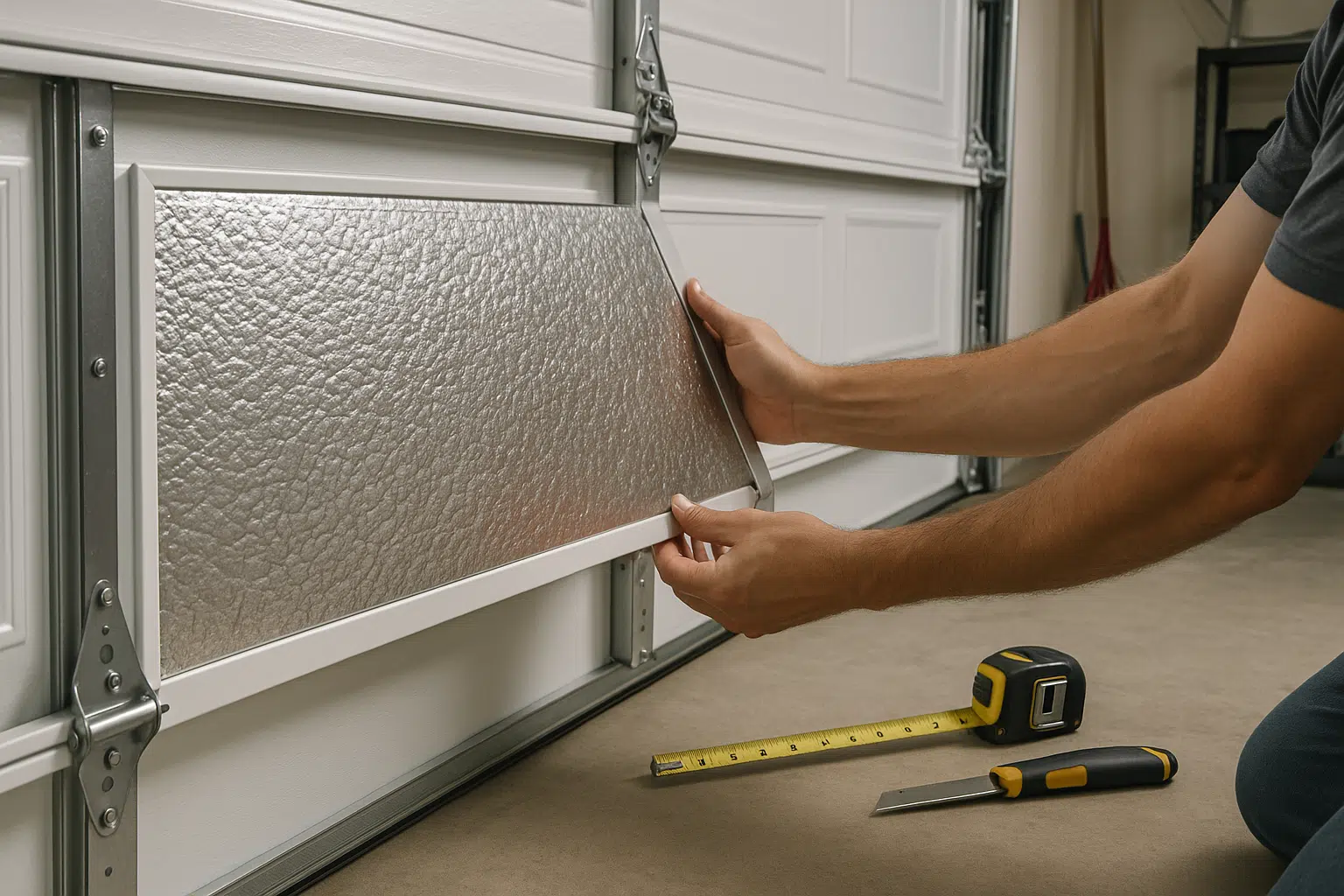
- Adding insulation panels to your existing door. If a full replacement isn’t in your budget, retrofit insulation kits can help. These are lighter and less efficient than factory-insulated doors. But they still offer a noticeable improvement if your door is otherwise in good shape. Adding insulation is a good middle-ground solution when you want better comfort without committing to a large replacement project.
What Insulation Material Should You Use?
What to look for: A high heat resistance value, tight seals around the edges, and a door that feels sturdy and thick rather than hollow. If your door bends when you push on it, it’s likely under-insulated.
| Material | Best For | R-Value (Per Inch) | Why Choose It |
|---|---|---|---|
| Polyurethane foam (foam-injected doors) | New insulated garage doors | R-6 to R-7 | Highest performance, excellent air sealing, reduces noise, and strengthens the door |
| Polystyrene door panels | Mid-range insulated doors or retrofit panels | R-3.5 to R-4 | Affordable, lightweight, easy to install, and offers good temperature control |
| Rigid foam board | Custom wood doors, concrete walls, or ceilings | R-4 to R-6 | Moisture-resistant, easy to cut, and good for uneven surfaces |
| Fiberglass batts | Open wall cavities in unfinished garages | A lower R-value (R-3 to R-3.7) | Budget-friendly, widely available, and good overall insulation |
| Reflective foil/insulation kits | Quick upgrades to hollow metal doors | Varies | Fast, DIY-friendly, and helps with radiant heat in summer |
If you’d like more information about which insulation material works for your garage type and requirements, reach out to Front Range Raynor. We’ll take a look at your current setup and explain what will perform best in your home.
2. Upgrade Weatherstripping and Seals
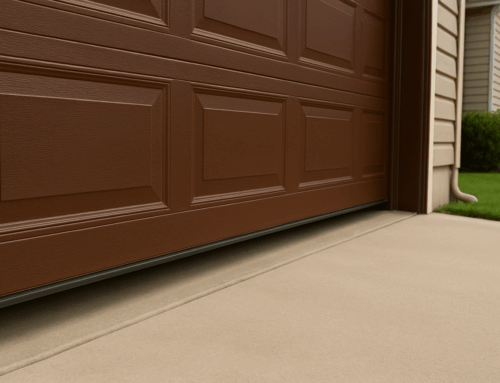
Insulation can’t do its job if outside air is sneaking through the gaps. Many garages lose heat because the bottom seal of the door is cracked or hardened. Or, the top seal has pulled away from the frame.
So, check for leaks in the following areas:
- Along the bottom of the door
- Around the sides where the door meets the frame (side seals)
- Across the top header
- At any windows built into the door
Replacing old seals is inexpensive and makes a huge difference in how warm your garage feels.
3. Insulate Garage Walls and Ceiling
Alongside the door, it’s important to insulate the rest of your garage space to keep warm inside.
The best options include:
- Fiberglass batts for unfinished walls
- Rigid foam board for exposed masonry
- Blown insulation for finished walls or ceilings
- Ceiling insulation, especially if there’s a bedroom or living area above the garage
If you notice drafts coming from switch plates, outlets, or gaps in framing, sealing those areas also helps maintain warmth.
4. Seal Air Gaps Around Windows and Side Doors
Windows and service doors can let in more cold air than you expect. A quick sealing session can prevent heat from leaking out all winter.
Some simple upgrades include:
- Silicone caulk around window frames
- Weatherstripping on side doors
- Adhesive insulation film on older windows
- Threshold bumpers for door bottoms
While they may not look like much, these small fixes add up to keep your garage better insulated.
5. Add Insulated Floor Mats or Runners
Cold concrete absorbs heat. Even if the rest of the garage is insulated, the floor can pull warmth away and make the space feel colder.
Some floor insulation options are:
- Rubber mats
- Interlocking insulated tiles
- Carpet remnants for work areas
- Heavy-duty winter floor mats under vehicles to catch snow and ice
These can both keep the chill down and make the space more comfortable to walk and work in.
Why Your Garage Needs Better Insulation
Here’s when garage door insulation becomes important:
- You have an attached garage. Cold air from the garage can seep into nearby rooms, making them harder to heat and more expensive to keep comfortable.
- Your garage becomes unusable in the winter. If you use your garage for storage, hobbies, or family space, better insulation can keep it warm and usable all year round.
- You want to cut energy waste. Good insulation slows down heat loss, which means your HVAC system runs less to keep the home comfortable. This improves your home’s energy efficiency and lowers your utility bills.
- You are dealing with noise or street activity. Doors with insulation naturally block more sound. This is one of the added perks of insulating your garage. It comes in especially handy if you live near a busy neighborhood or traffic.
- You have noticed condensation or drafts. If you are noticing moisture inside your garage or airflow around the door, your insulation is not doing its job.
Why You Should Choose a Professional Garage Door Insulation Service
Upgrading a garage door is not as simple as adding insulation to a wall. Garage doors are heavy and mechanical. Even a small mistake can impact both safety and how well the insulation works.
Here’s why you should consider bringing in a professional:
- You get the right insulation for your specific door. A professional service knows what type of insulation works with your door’s construction. It also understands how much weight your door can support, and whether a retrofit or full replacement will give you the best results.
- The work is done the first time correctly. Professionals carry the right tools and know the methods that ensure insulation is done cleanly and securely. This means no sagging panels, no loose foam, and a door with no rattling sections.
- Your entire insulation system lasts longer. Properly insulated and balanced doors put less strain on the opener and reduce wear on rollers, hinges, and springs. This way, everything works together for a long period.
If you would rather have the job done neatly and safely the first time around, Front Range Raynor can help. We can look at your setup, make recommendations on what will make a difference, and handle the installation from start to finish.
What to Look for in a Garage Door Insulation Service
When you are hiring someone to upgrade your garage door insulation, make sure you don’t just pick the first name you see.
Here’s what to look for when you are comparing services:
- Professionalism and experience. Garage door insulation isn’t guesswork. Pick someone who’s done it enough times. They should understand how different door types work, how insulation affects weight, and how to adjust the system safely after installation.
- Good reviews. Always give the company a quick search to see what previous customers are saying. Look for reviews about their punctuality, cleanup, communication, and whether the upgrades made the garage warmer. Detailed, honest customer reviews can tell you a lot more about a business than numeric scores.
- Transparent pricing. Only hire a company that is clear and upfront about its pricing. You should know exactly what you’re paying for. Things like insulation type, labour, and any adjustments needed for springs and seals should all be mentioned in detail. If pricing feels vague or unclear, that’s a red flag.
- Licensed and insured. Always make sure the garage company is insured, and any materials they use come with a warranty. Many manufacturers honor warranties only if the work is done by professionals, so this part is important.
- Ongoing support. Things settle, temperatures can change, and doors sometimes need small adjustments after installation. A reliable installer offers ongoing support. It should be easy to reach if anything needs tweaking afterward.
How Front Range Raynor Helps With Expert Garage Door Insulation
Winter makes it clear how much your home depends on good garage door insulation. A warmer garage leads to steadier temperatures inside the house and less strain on your heating system.
This turns your space into a place you can use when the temperature drops. Front Range Raynor is built to help you achieve that.
If you’re ready to take the next step, here’s where to start:
- Take a quick look at your current garage door. Drafts, noise, and cold spots will tell you a lot.
- Think about how you use the garage. Whether you use it for parking, storage, hobbies, or daily entry into the home.
- Reach out to Front Range Raynor for easy installation. We’ll help you choose an insulation upgrade that actually makes your garage warmer this winter.
We help Colorado homeowners winterize their garages with professional insulation upgrades that last. We assess your current door, recommend the best insulation materials for your needs, and handle the installation from start to finish.
Want a warmer garage, lower heating costs, and a space you can actually use this winter? Contact us for a free quote today!
FAQs