
Key Takeaways
1. A garage door seal is one of the simplest ways to reduce drafts, water intrusion, and pests, without changing the door itself.
2. Most seal failures show up as visible gaps, daylight at the floor, water lines, or a bottom seal that’s brittle or torn.
3. Front Range Raynor can match the right seal to your garage door and install it correctly for a cleaner, tighter close in Northern Colorado.
What Is a Garage Door Seal?
A garage door seal is weatherstripping designed to close the small gaps around a garage door when it’s shut. It helps keep out drafts, water, dust, leaves, and pests, and it can also reduce noise and improve comfort in an attached garage.
Most homes use a few seals together:
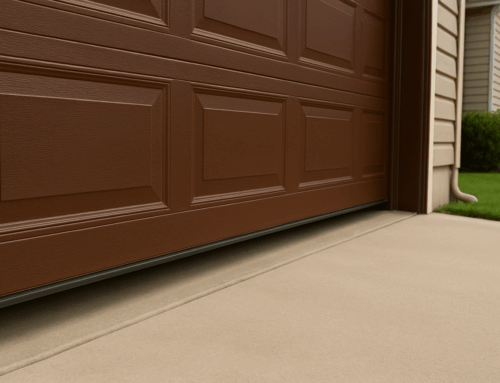
- Bottom seal. Attached to the bottom of the door to seal against the floor.
- Perimeter seal (side and top). Mounted to the door frame to seal the edges.
- Threshold seal (optional). Attached to the floor to create a raised barrier for water and wind.
Common Garage Door Seal Problems and What They Usually Mean
Garage door seals fail in predictable ways. Let’s take a look at the most common garage door seal problems:
1. Cracking, Brittleness, or Shrinking
When a seal turns stiff, cracked, or starts pulling away from the corners, it’s usually aging out. Rubber and vinyl seals dry out over time, and this process accelerates with constant temperature swings, sun exposure near the door opening, and certain cleaners or chemicals.
What it usually means
- The seal material has hardened and can’t compress against the floor or frame anymore.
- Even if the door closes properly, the seal won’t flex into the small imperfections it once covered.
You’ll notice visible splits, flattened sections, or corners that look curled.
2. Gaps and Uneven Contact
This is the one homeowners often misread. A gap doesn’t always mean “bad seal.” It can also mean the door is closing unevenly or the floor isn’t level.
What it usually means
- Seal wear. The bottom seal is flattened or torn, so it no longer makes contact across the full width.
- Floor slope. Many garage floors pitch slightly toward the driveway for drainage, which can create a consistent gap on one side.
- Door alignment issues. If the door is slightly out of square, one corner may touch while the other corner floats.
3. Water Intrusion
Water entering under a closed garage door typically comes from a mix of weather conditions and seal fit. Wind-driven rain and melting snow can find even small pathways.
What it usually means
- Damaged bottom seal. The bottom seal has a tear, a hardened section, or a missing corner, allowing water to pass.
- Floor pitch and runoff. Water is flowing toward the door and pooling at the threshold.
- Missing threshold seal. In some garages, a floor-mounted threshold is the missing piece that keeps water from entering when the driveway slope or wind exposure is working against you.
- Perimeter seal gaps. Water can also enter at the lower corners if side seals are worn.
4. Pests and Debris Getting In
If you’re finding leaves, dirt, insects, or small rodents, treat it like a “gap mapping” problem. Pests usually enter where the seal is missing contact, especially at corners.
What it usually means
- Missing corners or small tears. The most common entry point.
- Worn side weatherstripping. Gaps along the jamb can let in insects and debris, even if the bottom seal is fine.
- Uneven floor contact. A small persistent gap is enough for pests.
5. Seal Slipping out of the Retainer
When the bottom seal keeps sliding out or sagging, the issue is usually not the rubber itself; it’s the fit between the seal and the door’s retainer track.
What it usually means
- Wrong seal profile or size. Bottom seals aren’t universal. A T-style seal won’t hold properly in a U-style retainer, and vice versa.
- Worn or bent retainer. The metal channel may be damaged or stretched, preventing it from gripping the seal.
- Installation method. If the seal wasn’t seated correctly or trimmed poorly, it can migrate over time.
How Much Does Garage Seal Replacement Usually Cost and What Changes the Price
Garage door seal replacement usually falls into a predictable range when it is a straightforward swap of worn weatherstripping. As a broad market reference, many companies put full garage door weatherstripping replacement (often including bottom and perimeter seals) in the $200–$600 range.
What pushes the price up is when the job includes extra seal types, hardware issues, or fit problems that need correction.
What affects cost
- Door size. Double doors require more material and time to fit evenly than single doors.
- Number of seal types replaced. A bottom seal only is usually simpler than a bottom plus side/top perimeter seal or adding a threshold.
- Retainer condition. If the bottom seal retainer/channel is bent, worn, or incompatible with the new seal profile, the scope can expand to hardware repair or replacement.
- Threshold installation. Floor thresholds add materials and prep work (cleaning, adhesion, curing time).
- Alignment adjustments. If the door is not closing square or the floor slope is creating uneven contact, seal replacement may need to be paired with adjustment work to actually solve the gap.
How to Replace a Garage Door Seal
Replacing a garage door seal works best when you make three quick decisions first: identify which seal is failing, confirm the seal profile fits your door, and make sure the door closes evenly.
Once those pieces are clear, the replacement steps are usually simple, and the new seal performs as it should.
1. Identify Which Seal Needs Replacing
Garage doors typically use a bottom seal, perimeter weatherstripping (sides and top), and sometimes a floor threshold. If you replace the wrong one, you may still end up with the same gap.
How to do it :
- Check for daylight at the bottom and corners with the door closed.
- Look for water lines, debris trails, or insect entry points to locate the gap.
- Decide whether you need a bottom seal, side/top seals, a threshold, or a combination.
2. Confirm the Correct Seal Profile and Size
Bottom seals are not universal. The seal must match the retainer track on your door, or it can slip out or fail to seal evenly.
How to do it:
- Inspect the retainer track on the bottom of the door and compare it to the old seal.
- Measure the door width and buy a seal long enough to trim to fit.
- If you are unsure, take a photo of the retainer and old seal before purchasing.
3. Replace the Bottom Seal
This is the most common homeowner replacement and usually involves sliding a new seal into the retainer track.
How to do it:
- Open the door enough to work safely and disconnect the opener if needed.
- Slide the old seal out and clean the retainer channel.
- Slide the new seal in, keep it centered, and trim the ends cleanly.
- Close the door and confirm even contact across the full width.
4. Replace Side and Top Perimeter Weatherstripping
Perimeter seals stop drafts and pests at the frame and often solve corner gaps that a bottom seal cannot.
How to do it:
- Remove the old weatherstripping and any loose fasteners.
- Position the new seal so it lightly compresses against the door when closed.
- Fasten evenly, then test the door for smooth movement and full edge contact.
5. Add a Floor Threshold Seal if Water Is the Main Issue
A threshold is often the best fix when the floor slopes or water regularly pools at the opening.
How to do it:
- Clean and dry the concrete thoroughly, then dry-fit and mark placement.
- Apply adhesive as directed and press the threshold into place.
- Allow full cure time before heavy use or washing.
If your seal keeps slipping, you still see daylight after replacement, or water intrusion continues, call Front Range Raynor Garage Door & Service at 970-236-4743 (weekday service, same-day repairs available) or request a quote through their website.
Top 3 Maintenance Tips That Help GarageSeals Last Longer
Garage door seals wear out faster when they are constantly grinding against grit, baking in temperature swings, or being forced to compensate for a door that does not close evenly. A simple routine of cleaning, seasonal checks, and basic door upkeep helps seals stay flexible, fit tighter, and last longer before the next replacement.
Simple Cleaning
Keeping seals clean sounds basic, but it directly affects how well they compress and how long they stay flexible. Grit acts like sandpaper when the door closes, slowly chewing up the bottom seal and the corners.
Practical tips:
- Wipe the bottom seal and perimeter seals with a damp cloth and mild soap when you notice buildup.
- Sweep the threshold area regularly so gravel and leaves do not get trapped under the seal.
- Avoid harsh degreasers or strong solvents, which can dry out rubber and speed up cracking.
- If the seal is sticking to the floor during hot weather, clean the contact area and remove residue rather than forcing the door.
Seasonal Inspection
Most seal problems show up when the weather changes. A quick check before the toughest seasons helps you catch small gaps before they turn into water intrusion, drafts, or pests.
Practical tips:
- Do a daylight check: stand inside with the door closed and look for light at corners and along the bottom.
- After the first heavy rain or snow melt, look for a water line inside the garage and trace where it enters.
- Check corners closely; that is where seals split first and where pests find entry points.
- Watch for shrinking or curling after extreme temperature swings, which can pull seals away from the edges.
Garage Door Tune-up Tie-In
A seal can only do its job if the door closes evenly. If the door is slightly out of alignment, one side compresses hard while the other side barely touches, which wears the seal unevenly and shortens its life.
Practical tips:
- Pay attention to uneven contact: one side flattened, the other still rounded. That often signals the door is not closing square.
- If the door appears slightly tilted when it rests on the floor, address the alignment before replacing the seals again.
- Keep rollers and hinges in good condition so the door tracks smoothly; rough travel can cause seal dragging and tearing.
- Consider an annual tune-up to check hardware, track alignment, and door balance as a system, not as isolated parts.
Get the Right Garage Door Seal Installed With Front Range Raynor
Garage door seals are small parts that do a lot of heavy lifting. When they fit correctly, and the door closes evenly, you notice it right away: fewer drafts, less water and debris, and a garage that feels cleaner and more comfortable through Colorado’s temperature swings.
The key is to match the right seal type and profile to your door and floor, then address any alignment or retainer issues that could keep the new seal from making full contact.
Here are the next steps to take:
- Find the leak points first. Check for daylight along the bottom and corners, look for water lines after storms, and note whether gaps are uneven from side to side.
- Confirm what you actually need. Identify whether the issue is the bottom seal, the side/top perimeter seal, a missing threshold, or a fit problem, such as a bent retainer or a door that is closing out of square.
- Call Front Range Raynor to get the right seal installed correctly. Our team services all makes and models of garage doors across Northern Colorado and can replace seals, correct fit issues, and tune the door so it closes evenly and stays that way.
Schedule seal replacement or service with Front Range Raynor Garage Door & Service. Call 970-236-4743 (same-day repairs on weekdays) or request a quote through their website.